There is a difference between a restaurant that serves food and a dining room that holds a meal. The distinction sounds subtle until you experience both in the same trip and feel exactly where it lies.
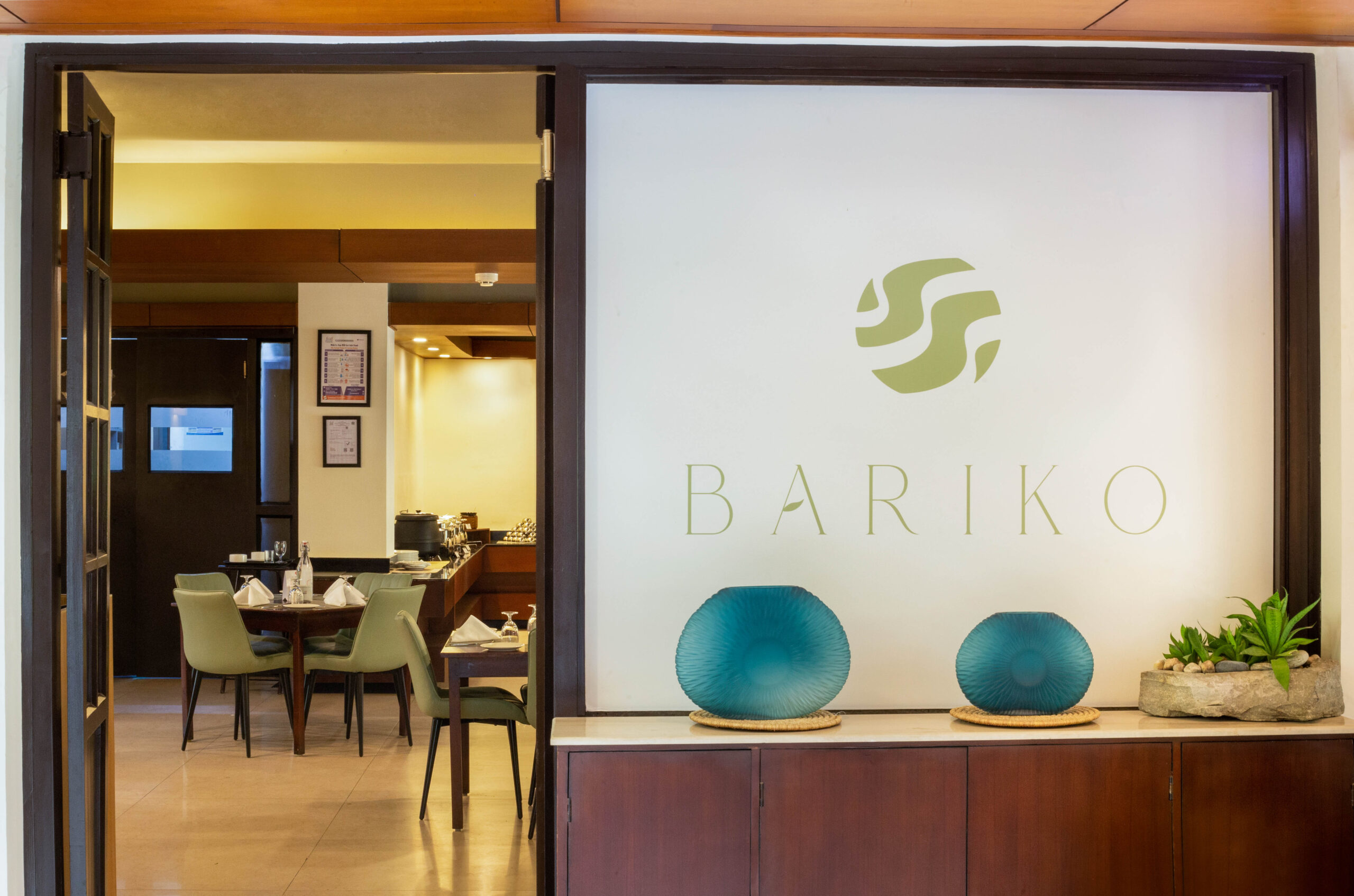
Bariko, Simala Retreat’s multi-cuisine restaurant, is exactly the kind of dining room that holds a meal rather than simply serves one. Not because of what is on the menu — though the food is genuinely worth the conversation — but because of the conditions in which you eat it. The space. The light. The view that changes with the weather and the hour. The unhurried pace that the kitchen and the property itself seem to have agreed on.
Bariko opens to the valley on the long side. In the morning, with the Rangit below and the hills still half in fog, breakfast at a window table is a particular kind of experience. The landscape is not a backdrop — it is part of the meal.
The way the mist lifts from the lower valley as the morning progresses. The birds audible through the glass. The particular quality of mountain light that makes everything look cleaner and more deliberate than it does anywhere at sea level.
In July, this setting deepens. The hills across the valley in monsoon are at their most vivid. Rain on the glass in the afternoon. The valley folding into low cloud between courses. The sound of the river carrying from below when the terrace door opens.
The menu at Bariko draws from multiple cuisines without losing its sense of place — the particular challenge that any multi-cuisine kitchen faces when trying to serve many things well.
Regional flavours arrive thoughtfully — the influence of Sikkimese, Nepali, and Tibetan culinary traditions present as ingredient and technique rather than theme. Seasonal produce from the surrounding area. A kitchen that understands that the best meal at a mountain retreat is one rooted in where it is, not imported from somewhere else.
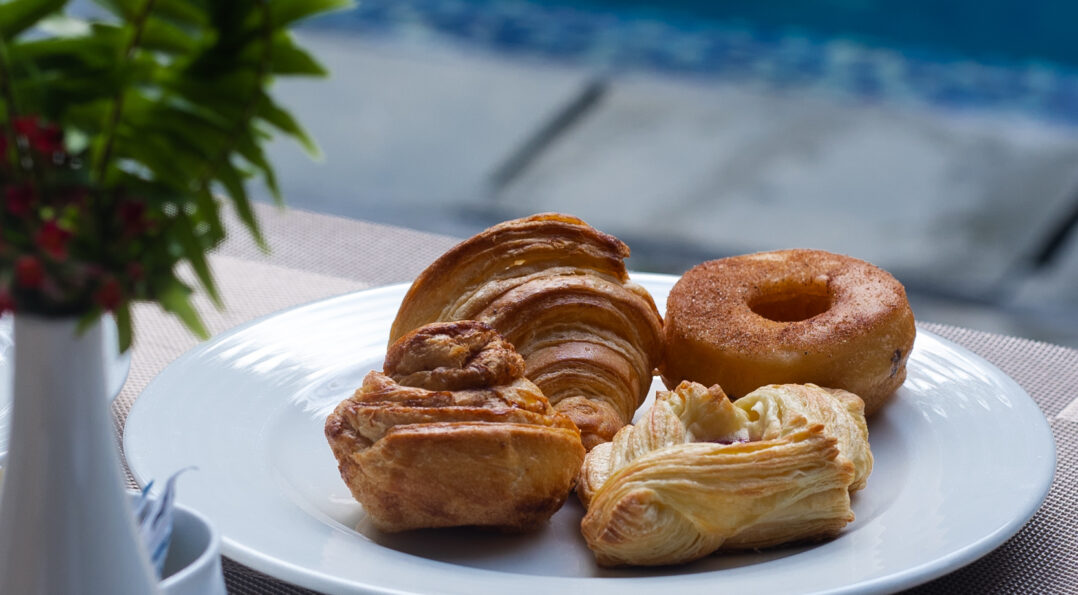
Kinara, Simala’s poolside café, bakes fresh every morning — the kind that arrive warm and need very little else alongside them.
At Bariko, a meal is never something to get through. It is something to settle into.
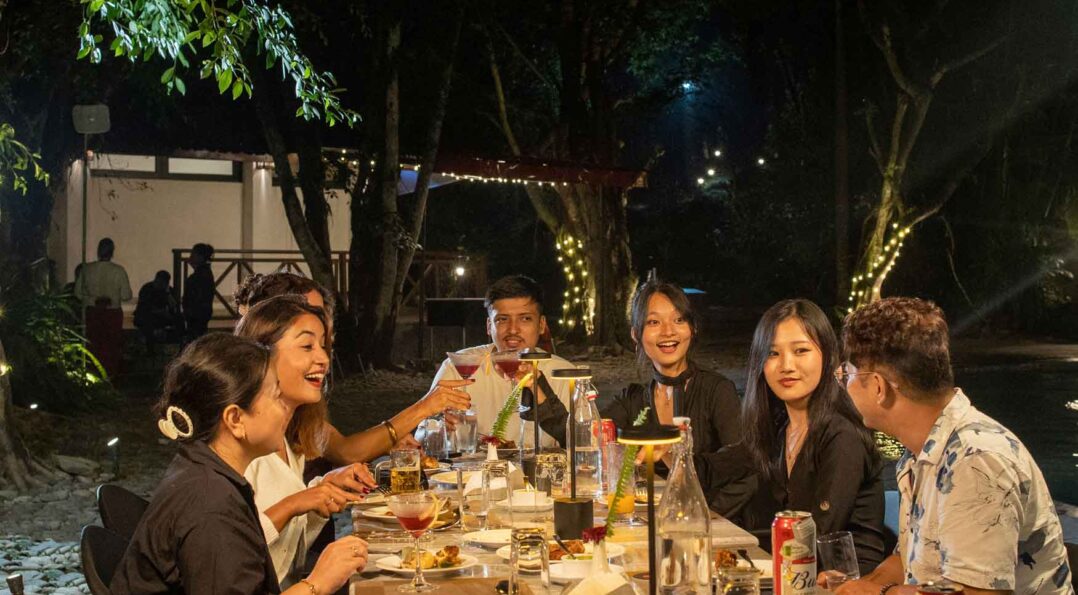
The first dinner at Bariko tends to go longer than expected. Not because the service is slow — but because somewhere between the first course and the last, the valley outside goes dark, the river becomes the only sound, and the candles have been burning long enough that nobody is counting. There is simply nowhere else to be.
This is hospitality by intention — the understanding that a good meal is not a transaction but a pause, and one of the longer and more restorative ones available.
Every meal at Bariko ends the same way — slowly, and never quite feeling finished. The next morning the view will have shifted, the kitchen will already be warm, and the river will still be running below.